
The Storm-Surge Playbook: How Roofing Crews Turn a Hailstorm Into Their Best Quarter
A hailstorm or a straight-line wind event doesn't create roofing demand out of nowhere. It compresses months of replacement and repair work into a matter of days, and the crews who plan for it capture a disproportionate share.
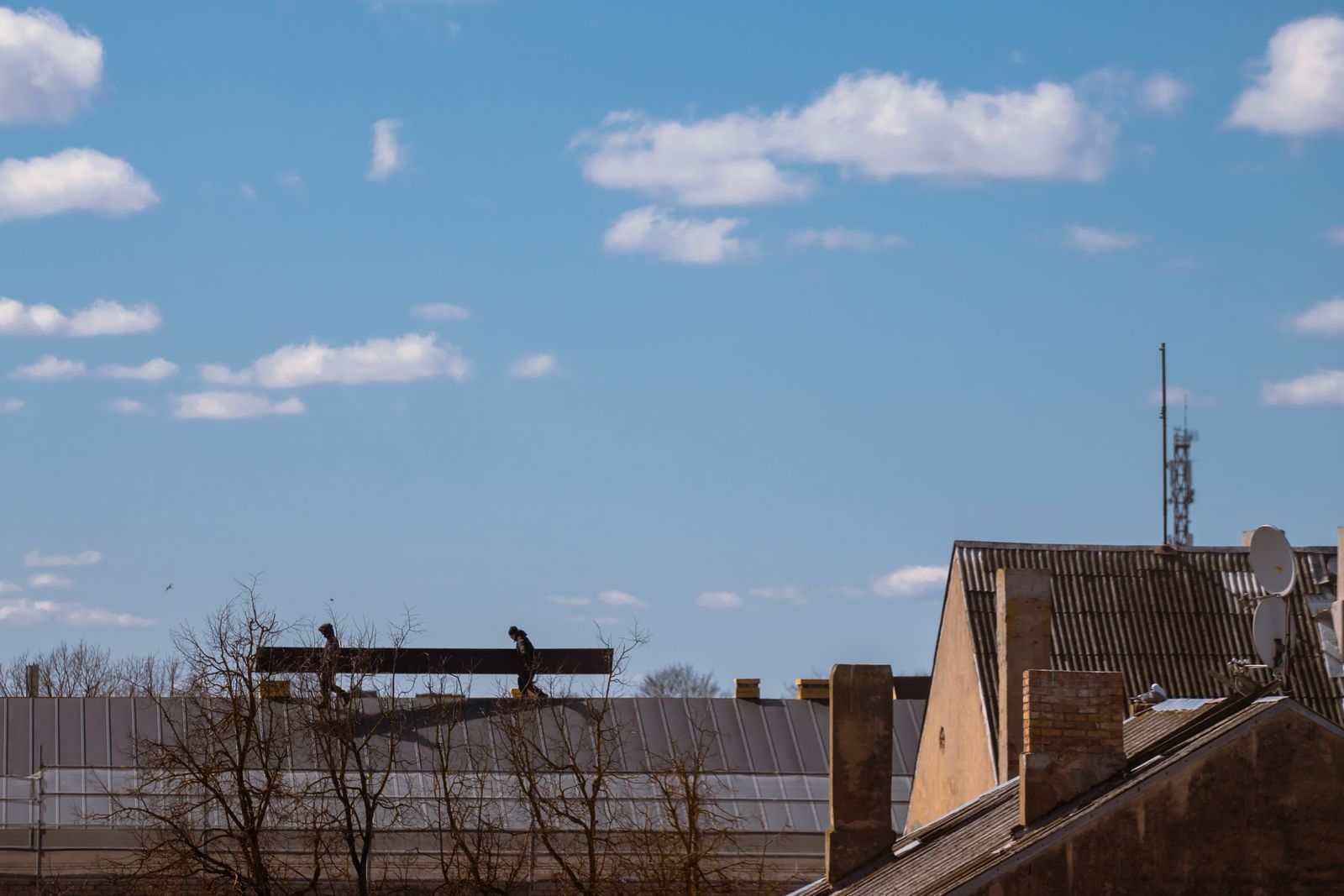
Every roofing company operating in hail country or hurricane territory has lived through the same week: a storm front moves through, insurance adjusters start fielding claims by the hundreds, and every homeowner within twenty miles is calling about a roof at the same time. The demand isn't new. It's the same volume of replacement and repair work that would have trickled in over the following year, arriving instead over ten to fourteen days. What separates the crews that turn that window into their best quarter from the ones that just survive it usually comes down to a plan built weeks before the storm shows up on radar, not scrambled together the morning after.
Capacity planning starts before the radar lights up
Shops that handle a hail event well already know, before the first call comes in, how many crews they can realistically put on roofs in a given week, which subcontractor relationships they can activate on short notice, and which jobs already on the books can slide without upsetting a customer. That planning has to happen in the calm months, because by the time the storm has a name and a forecast, the operational decisions that matter most have already been made or missed. Operators who've run multiple storm seasons say the shops that get caught flat-footed are rarely short on leads. They're short on a plan for who actually shows up to work them.
Roughly how many inbound calls do you take in a week?
Tap to start. 5 quick questions, then see your monthly number.
Crew allocation: the lever most shops pull too late
A storm surge tests a roofing company's staffing model harder than almost anything else in the business. The instinct is to throw every available crew at the newest, loudest lead, but that approach burns out experienced crews inside of two weeks and leaves lower-priority repairs, the ones that keep a business's reputation intact even if they're not the biggest tickets, sitting untouched. The operators who come out ahead build a tiering system in advance: which properties get same-day tarping, which get inspection within 48 hours, and which can reasonably wait a week without material damage getting worse. That tiering, decided calmly ahead of time, holds up far better under pressure than decisions made call by call in the middle of a surge.
The claims backlog nobody budgets for
A storm doesn't just generate roofing leads, it generates an insurance claims backlog that moves at its own pace, and companies that don't plan around that mismatch end up with crews sitting idle waiting on adjuster approvals weeks after the storm has passed. Shops that get ahead of this build the claims documentation into the very first inspection, photos, measurements, and a scope written the way an adjuster expects to see it, rather than treating documentation as a separate step that happens after the homeowner signs. That single change shortens the gap between a storm hitting and a check clearing more than almost anything else in the process.
A surge week isn't extra business layered on top of a normal season. It's a full season of demand compressed into days, and the roofing companies that treat it as a stress test of systems they already trust are the ones still standing when the backlog clears.
Speed to inspection wins the job
During a surge, homeowners are getting knocked on, called, and mailed by every roofing company within driving distance, often within the same 72 hours. Being first to actually get someone on the roof with a ladder, not just first to answer the phone, tends to close the job before a competitor even schedules their inspection. Shops that pre-stage inspection routes by neighborhood, rather than working leads strictly in the order they came in, cut days off their average time to inspection during a surge and see it show up directly in close rate.
Keeping quality steady when volume triples
The easiest mistake during a surge is letting install quality slip in the name of speed, whether that's rushing underlayment, skipping a step in the tear-off, or putting a crew on a roof type they haven't worked before because everyone experienced is already booked. Operators who've weathered several storm seasons say the callback and warranty-claim spike that follows a rushed surge season costs more, in both dollars and reputation, than the extra week it would have taken to staff correctly. The shops with the best long-term reputation in hail-prone markets are usually the ones that turned away some volume during the peak rather than compromise on the roofs they did put crews on.
The system beats the scramble
None of this works if it's invented the morning after the storm. The roofing companies that consistently turn a surge into their best quarter treat the staffing tiers, the claims documentation process, and the inspection routing as something rehearsed between storms, not assembled from scratch under pressure. A surge is, in a real sense, a stress test of everything the business already does on a normal week. The shops that pass it well weren't improvising. They made sure the system that worked fine on a quiet Tuesday could hold up when a year's worth of Tuesdays showed up in the same ten days.
Most shops lose more booked work at the phone than they realize. See your monthly number.
See my number →